What you can find in this article
From guided tour formats to cultural concepts unique to Portuguese life, this glossary covers the essential travel and tourism terms that will help you plan, book, and experience Portugal with confidence.
Planning a trip to Portugal involves more than booking flights and accommodation. Understanding how tours are structured, what certain cultural terms mean, and how the local tourism landscape works will make your experience significantly richer.
Whether you are comparing private and small-group tours, trying to decode what a food tour actually includes, or simply wondering what fado means before you attend a live performance, this glossary is designed to give you clear, practical definitions grounded in the context of visiting Lisbon, Sintra, and the wider Portuguese region.
This resource is particularly useful if you are planning your first visit and exploring options through our travel blog, or if you want to understand the vocabulary used across tour descriptions, booking platforms, and travel guides covering Portugal.
Alentejo
A vast, predominantly rural region east and south of Lisbon, known for its rolling plains, cork oak forests, medieval walled towns, and some of Portugal’s finest wines and olive oils.
The Alentejo is increasingly popular with travelers seeking a slower, more contemplative side of Portugal, away from the coastal crowds. Its capital, Évora, is a UNESCO World Heritage city packed with Roman, Moorish, and medieval heritage.
Arrábida
A natural park located on the Setúbal Peninsula, approximately 40 kilometers south of Lisbon, characterized by dramatic limestone cliffs, crystal-clear turquoise waters, dense Mediterranean vegetation, and secluded beaches consistently ranked among the most beautiful in Europe. It is the setting for our Arrábida tour, which combines coastal scenery with wine tasting at a local winery.
Azulejo
The decorative glazed ceramic tile that is one of the most recognizable symbols of Portuguese art and architecture. Azulejos are used to decorate churches, palaces, train stations, house facades, and public spaces throughout Portugal, featuring intricate geometric patterns or hand-painted blue-and-white scenes depicting history, nature, and daily life. The word derives from the Arabic word for small polished stone.
Bacalhau
Dried and salted codfish, Portugal’s most iconic ingredient and arguably its most culturally significant food. Portuguese cuisine is said to have over 365 recipes for bacalhau, one for every day of the year.
Despite being a saltwater fish found in the North Atlantic rather than Portuguese waters, bacalhau became central to Portuguese identity through centuries of trade and maritime exploration. It is a staple on virtually every traditional menu in the country.
Cascais
It is easily combined with Sintra on a day trip, as featured in our Sintra and Cascais private tour, or explored independently using our guide to the best things to do in Cascais.
City Break
A short urban trip, typically lasting two to four days, centered on exploring a single city or metropolitan area. Lisbon has become one of Europe’s most popular city break destinations, attracting visitors with its combination of history, gastronomy, culture, and relatively affordable prices compared to other Western European capitals. We explore why Lisbon makes such a compelling choice in our article on the best city breaks in Europe.
Day Tour
A tour that begins and ends on the same day, typically lasting between 4 and 10 hours. Day tours from Lisbon are among the most popular offerings in Portugal, covering destinations such as Sintra, Arrábida, Évora, and Fátima, Nazaré and Óbidos. They are an efficient way to explore destinations beyond the capital without the cost of overnight stays.
Exclusions
The specific costs or services that are not covered within a tour price and are expected to be paid by the guest separately. Common exclusions on Portugal Guided Tours experiences include meals unless otherwise specified, gratuities, and personal purchases.
Always review inclusions and exclusions carefully when comparing tour options to understand the true cost of the experience.
Fado
Portugal’s most iconic musical genre, recognized by UNESCO as an Intangible Cultural Heritage of Humanity. Fado is typically performed by a solo vocalist accompanied by a Portuguese guitarra and a viola baixo, and its themes center on longing, fate, and the sea. Attending a live fado performance in Lisbon, particularly in the Alfama or Mouraria neighborhoods, is one of the most authentic cultural experiences Portugal offers.
Food Tour
A guided experience centered on tasting local food and drink at multiple stops, typically combining a walking route with visits to markets, bakeries, tascas, and specialty food shops.
A well-designed food tour does more than feed you; it tells the story of a city through its culinary traditions. Our Lisbon food tour covers Portuguese staples such as pastéis de nata, bacalhau, Ginjinha, and local wines, guided by someone who knows the city’s food culture from the inside.
Guided Tour
A travel experience led by a professional guide who provides context, storytelling, and logistical support throughout the journey. A good guide transforms a visit to a monument or neighborhood from a walk-through into a genuinely educational and emotional experience. In Portugal, guides are typically licensed and certified by the national tourism authority, Turismo de Portugal.
Incentive Travel
A form of corporate travel used by companies to reward employees, motivate teams, or strengthen relationships with clients and partners.
Incentive trips to Portugal typically combine cultural experiences, fine dining, and exclusive access to iconic locations. Portugal’s combination of mild climate, world-class gastronomy, and scenic variety makes it one of Europe’s leading incentive travel destinations.
Inclusions
The specific items, services, or costs that are covered within a tour price. Common inclusions in Portugal Guided Tours experiences are private transport, a professional licensed guide, and entrance fees to selected sites. Reviewing inclusions carefully before booking helps you compare experiences accurately and avoid unexpected costs on the day.
Itinerary
A detailed plan or schedule for a trip, outlining the sequence of destinations, activities, transport, and accommodation across the duration of travel.
In the context of guided tours, an itinerary specifies the order and timing of stops, what is included, and what the guest will experience at each location. A well-crafted itinerary balances structure with flexibility, leaving room for spontaneous moments.
Lisbon (Lisboa)
The capital and largest city of Portugal, built across seven hills along the northern bank of the Tagus River estuary. Lisbon is one of Europe’s oldest and most atmospheric capitals, combining Moorish, medieval, and 18th-century Pombaline architecture with a thriving contemporary food, art, and nightlife scene. It is the departure point for most day tours in the region. For an overview of what to see and do, visit our guide to the best things to do in Lisbon.
Local Guide
A guide who is not only professionally certified but also deeply rooted in the local community, with firsthand knowledge of a destination’s culture, history, hidden places, and current life.
At Portugal Guided Tours, all guides are locals who live in and love the places they show. The difference between a local guide and a generic one is the difference between knowing facts about a place and genuinely inhabiting it.
Miradouro
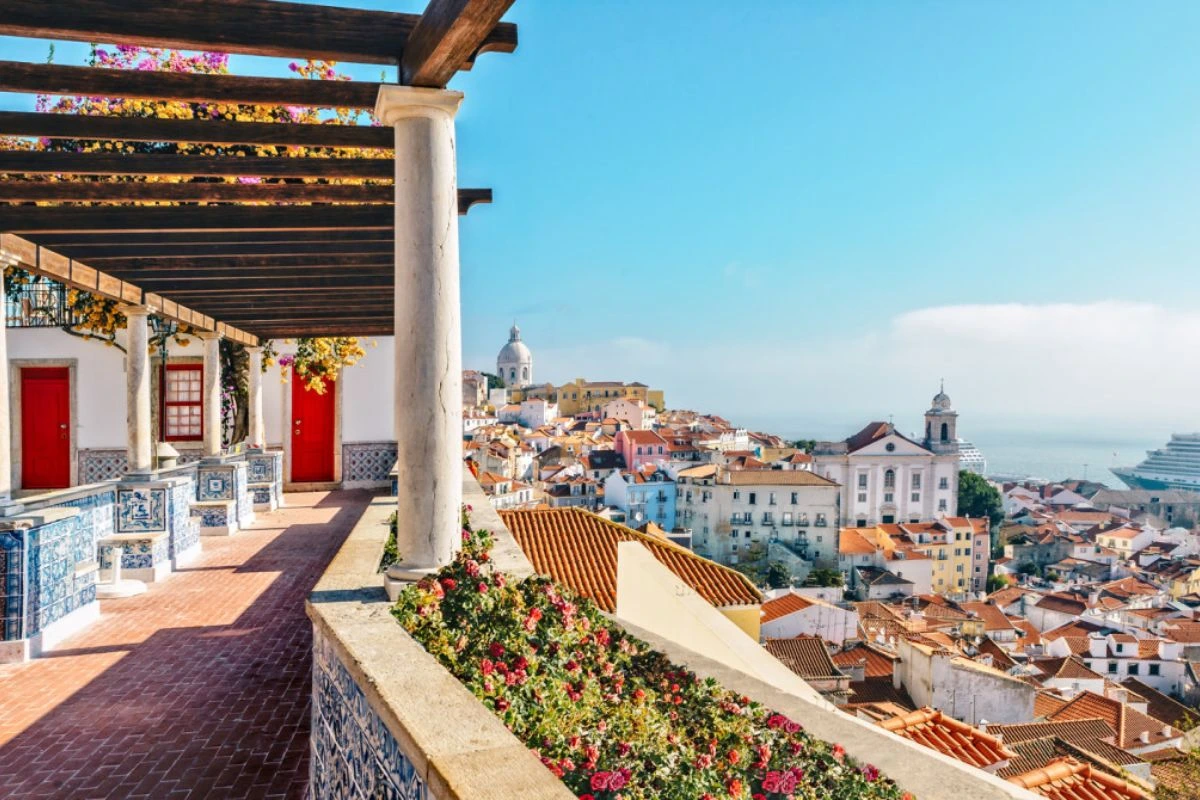
A viewpoint or belvedere offering a panoramic view over a city, valley, or landscape. Lisbon, built across seven hills, is famous for its miradouros, each offering a distinct perspective over the city’s rooftops, the Tagus River, and the surrounding hills.
Some of the most celebrated include Miradouro da Graça, Miradouro de Santa Luzia, and Miradouro da Senhora do Monte. Sintra’s hilltop palaces also offer extraordinary miradouro experiences, as covered in our guide to what to do in Sintra.
Pastel de Nata
Portugal’s most beloved pastry, a small custard tart with a flaky shell and a caramelized egg-cream filling, typically dusted with cinnamon and powdered sugar. The original recipe was developed by monks at the Jerónimos Monastery in Belém, Lisbon, in the early 19th century.
The pastéis de Belém, still made at the original bakery using a closely guarded recipe, are considered the definitive version. No visit to Lisbon is complete without tasting one fresh from the oven.
Peak Season
The period of highest tourist demand in a destination, typically coinciding with warm weather, school holidays, and major festivals. In Portugal, peak season runs from June through September, with July and August being the busiest months.
During this period, accommodation prices are higher, popular sites are more crowded, and advance booking is strongly recommended, particularly for private tours and visits to Sintra’s palaces.
Per Group Pricing
A pricing structure in which a fixed fee is charged for the entire group, regardless of how many people attend. Commonly used for private tours, this model often represents better value for couples, small families, and groups of friends compared to per person rates. It also guarantees exclusivity, as no other guests are added to reach a minimum number.
Private tour
A tour exclusively reserved for one party, whether a couple, a family, or a group of friends traveling together, with no other guests joining. Private tours allow complete flexibility over pace, itinerary, and timing.
Our private tours in Portugal are tailored to the interests and schedule of each group, making them one of the most popular formats for international travelers seeking a personalized experience in Lisbon, Sintra, and beyond.
Quinta
A Portuguese word for a rural estate or manor house, often associated with wine production, agriculture, or aristocratic heritage. Many quintas across the Douro Valley, Alentejo, and Sintra region have been converted into boutique hotels, wine estates open to visitors, or private event venues. The word appears frequently in place names and tour descriptions throughout the country.
Saudade
A uniquely Portuguese emotional concept that describes a deep, bittersweet longing for something or someone that is absent, lost, or irretrievably in the past.
There is no direct translation in English. Saudade is considered central to the Portuguese national character and is closely associated with fado music, maritime history, and the country’s relationship with distance and time.
Self-Guided Tour
An independently structured travel experience in which the visitor follows a pre-planned route or uses maps, apps, or printed materials without a live guide.
While self-guided tours offer maximum freedom, they sacrifice the interpretive depth and local knowledge that a professional guide brings, particularly when visiting historically layered destinations like Alfama, Sintra, or Évora.
Shoulder Season
The transitional periods between peak and off-peak seasons, generally March to May and October to November in Portugal. Shoulder season offers an attractive balance of favorable weather, fewer crowds, and lower prices, making it a preferred time for experienced travelers seeking a more relaxed and affordable experience without the summer heat or winter rain.
Sintra
A UNESCO World Heritage town located approximately 30 kilometers west of Lisbon, nestled in the Serra de Sintra hills and celebrated for its extraordinary concentration of Romantic-era palaces, aristocratic estates, and lush forest gardens.
Sintra was the preferred summer residence of Portuguese royalty for centuries and remains one of the most visited destinations in the country. We offer several dedicated experiences, from the Sintra Pena Palace and Regaleira tour to a full-day private tour of Sintra covering its most iconic sites.
Skip-the-line-access
An arrangement whereby tour participants bypass the standard public queues at popular attractions, either through pre-purchased timed entry tickets, direct guide access, or dedicated tour group entrances.
This is particularly valuable at high-demand sites such as Pena Palace in Sintra, where queues can be very long during peak season and can significantly reduce the time available to explore.
Small-Group Tour
A guided tour with a limited number of participants, typically between 6 and 15 people, designed to preserve an intimate atmosphere while allowing the economics of a shared experience.
Our small-group tours in Portugal are specifically capped to ensure every participant feels genuinely engaged rather than part of a crowd, and the guide can adapt the experience to the interests of those present.
Tasca
A small, traditional Portuguese tavern or restaurant, typically family-run, offering simple, honest home-style cooking at modest prices. Tascas are the antithesis of tourist-facing restaurants; they serve the food that Portuguese people actually eat on a daily basis.
Finding a genuinely good tasca is one of the highlights of any visit to Lisbon, and our guide to the best restaurants in Lisbon recommended by locals includes several authentic options worth seeking out.
Team Building
A structured group activity designed to improve communication, collaboration, and morale within a professional team. In a tourism context, team building often takes the form of shared cultural experiences, culinary challenges, outdoor activities, or creative workshops in an inspiring destination.
Portugal’s diverse landscapes, from the hills of Sintra and Cascais to the vineyards of the Alentejo, offer exceptional settings for corporate group experiences.
Transfer
A pre-arranged transportation service between two specific points, typically an airport and a hotel, or between a city and a tour departure point. Transfers may be shared (with other travelers) or private, exclusively for one group.
Private transfers are often included in premium and private tour packages and are coordinated by the tour operator to ensure a seamless and stress-free start and end to the experience.
Walking Tour
A tour conducted entirely on foot through a specific neighborhood, historic center, or scenic route. Walking tours are ideal for compact, pedestrian-friendly areas such as Alfama, Mouraria, and Belém in Lisbon, or the historic village center of Sintra.
Our Sintra walking tour explores the town’s palaces, gardens, and viewpoints at a relaxed, immersive pace that allows guests to truly absorb the atmosphere.
For further reference on global tourism standards and definitions, see the World Tourism Organization (UNWTO).
About Portugal Guided Tours
Portugal Guided Tours designs authentic cultural and gastronomic experiences in Lisbon, Sintra, and beyond, for international travelers who want to discover Portugal through the eyes of a local.
Whether you are choosing your first food tour in Lisbon, planning a full-day private tour of Sintra, or organizing a corporate group incentive, this glossary is a starting point. The experience itself is waiting for you.